Gut-Brain Axis & Fungi: How Your Microbiome Impacts Mood & Memory (And What Mushrooms Can Do).
Have you ever felt a "gut feeling" about a decision, or noticed that stress churns more than just your stomach? It’s not just a figure of speech. Your gut, once thought of as merely a digestive organ, is in constant, dynamic conversation with your brain. This incredible biological superhighway, known as the Gut-Brain Axis, is now understood to be profoundly influenced by the microscopic inhabitants within you – a vast ecosystem known as your microbiome. But what if there's a largely overlooked player in this intricate dance, one that holds significant keys to unlocking superior mental wellness and cognitive performance? Enter the world of fungi, and specifically, the power of medicinal mushrooms.
11/25/20255 min read
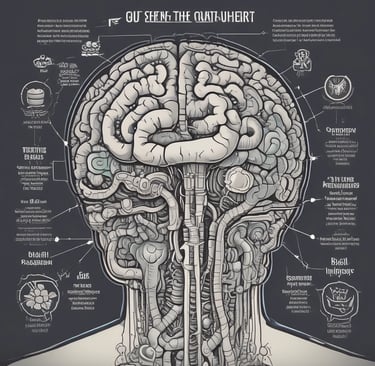
For those dedicated to exploring mycology for mental and cognitive enhancement, understanding the Gut-Brain-Fungi axis isn't just fascinating—it's foundational. This post will delve into how your gut microbiome, including its fungal residents (the mycobiome), directly shapes your mood and memory, and reveal how nature's most potent mushrooms can serve as powerful allies in optimizing this critical connection.
The Gut-Brain Axis: Your Body's Internal Internet
Imagine an intricate, two-way communication network linking your digestive system directly to your central nervous system. That's the Gut-Brain Axis (GBA). It's far more than a simple nerve connection; it's a complex interplay of signals carried by neurotransmitters, hormones, immune cells, and even microbial metabolites.
* Neurotransmitter Factories: Your gut is home to billions of bacteria that produce a significant portion of your body's neurotransmitters, including about 90% of serotonin (a key mood regulator) and large amounts of GABA (an inhibitory neurotransmitter promoting calm). These aren't just for local gut function; they send signals that profoundly affect your brain.
* The Vagus Nerve Superhighway: The vagus nerve is the longest cranial nerve, acting as the primary physical bridge between your brain and gut. It carries sensory information from the gut to the brain, influencing everything from stress response to inflammation and even memory consolidation.
* Immune System Link: A healthy gut barrier prevents harmful substances from entering the bloodstream. When this barrier is compromised (leaky gut), it can trigger systemic inflammation, which is increasingly linked to mood disorders like depression and anxiety, and even cognitive decline.
* Microbial Metabolites: Your gut microbes break down food into various compounds, some of which, like short-chain fatty acids (SCFAs) such as butyrate, directly nourish brain cells, influence gene expression, and modulate inflammation.
A balanced and diverse gut microbiome is crucial for optimal GBA function, acting as the orchestrator of many of these processes that dictate whether your brain thrives or struggles.
The Fungal Frontier: Your Mycobiome's Hidden Influence on Mood & Memory
While bacteria often steal the spotlight, your gut is also home to a diverse community of fungi – your "mycobiome." Though less studied than the bacterial microbiome, the mycobiome is gaining recognition for its significant, albeit often subtle, impact on the Gut-Brain Axis.
Just like bacteria, fungi in your gut can be beneficial, neutral, or potentially problematic. A healthy mycobiome exists in a balanced relationship with the bacterial community and the host.
* Fungal Dysbiosis & Inflammation: An imbalance in the mycobiome, often termed fungal dysbiosis, can lead to overgrowth of certain yeast species (like Candida), which can compromise the gut lining, fuel inflammation, and potentially produce neurotoxic metabolites. This chronic inflammation and altered signaling can directly contribute to brain fog, fatigue, anxiety, and even memory issues.
* Interactions with Bacteria: Fungi don't operate in a vacuum; they interact closely with gut bacteria. Some fungi help beneficial bacteria flourish, while others compete with them. This dynamic equilibrium directly impacts the production of crucial metabolites and the overall health of the gut environment, subsequently influencing brain health.
* Immune Modulation: Fungi, like bacteria, present unique antigens to the immune system. A balanced mycobiome helps train and regulate the immune response, preventing overreactions that could lead to systemic inflammation impacting the brain.
Understanding and nurturing your mycobiome is therefore a vital, yet often overlooked, component of a holistic strategy for mental wellness and cognitive enhancement. This is where the wisdom of mycology truly shines.
Medicinal Mushrooms: Allies for Your Mind, Mood, and Gut
For centuries, various cultures have revered specific mushrooms not just for their nutritional value, but for their profound medicinal properties. Modern science is now catching up, confirming what traditional healers have long known: certain fungi possess unique compounds that can modulate the Gut-Brain Axis, directly impacting mood, memory, and cognitive function.
Here are a few fungal powerhouses and how they work:
* Lion's Mane (Hericium erinaceus): The Cognitive Catalyst
Known as "nature's nutrient for the neurons," Lion's Mane is perhaps the most celebrated mushroom for cognitive enhancement. It contains unique compounds called hericenones and erinacines, which are shown to stimulate the production of Nerve Growth Factor (NGF) and Brain-Derived Neurotrophic Factor (BDNF) in the brain.
* Impact on Mood & Memory: NGF and BDNF are crucial for neurogenesis (the growth of new brain cells), synaptic plasticity (the ability of synapses to strengthen or weaken over time), and overall neuronal health. This translates to improved memory, focus, clarity, and potentially a reduction in symptoms of anxiety and depression.
* Gut Connection: Emerging research also suggests Lion's Mane can act as a prebiotic, supporting the growth of beneficial gut bacteria, further bolstering the GBA.
* Reishi (Ganoderma lucidum): The Adaptogenic Alchemist
Reishi is a profound adaptogen, meaning it helps the body adapt to stress and promotes overall balance. Its triterpenes and polysaccharides are key to its therapeutic effects.
* Impact on Mood & Memory: By modulating the stress response (via the HPA axis) and reducing systemic inflammation, Reishi indirectly supports brain health. Less stress means better mood, improved sleep quality, and enhanced cognitive function. It can calm an overactive nervous system, fostering a sense of peace and mental clarity.
* Gut Connection: Reishi has demonstrated prebiotic effects, supporting a healthy gut microbiome, and also possesses immune-modulating properties that benefit the gut lining.
* Cordyceps (Cordyceps sinensis/militaris): The Energizer for Body and Mind
Valued for enhancing energy, stamina, and vitality, Cordyceps contains cordycepin and polysaccharides that boost cellular energy (ATP) production.
* Impact on Mood & Memory: Increased cellular energy can translate to reduced mental fatigue, improved focus, and a more positive mood. Its antioxidant and anti-inflammatory properties also protect brain cells from damage.
* Gut Connection: Cordyceps has been shown to positively influence gut microbiota composition, contributing to a healthier gut environment that supports the GBA.
* Turkey Tail (Trametes versicolor): The Gut Microbiome Guardian
Rich in immune-modulating polysaccharides, particularly PSK and PSP, Turkey Tail is a powerhouse for immune health.
* Impact on Mood & Memory: While not a direct cognitive enhancer like Lion's Mane, Turkey Tail's profound impact on gut health offers significant indirect benefits. By optimizing the gut microbiome and reducing inflammation, it creates a healthier foundation for brain function, potentially alleviating mood disruptions linked to gut dysbiosis.
* Gut Connection: Its powerful prebiotic effects feed beneficial gut bacteria, leading to a more diverse and robust microbiome, which in turn strengthens the gut barrier and optimizes neurotransmitter production.
Conclusion: Cultivating a Mind-Mushroom Connection for Optimal Wellness
The intricate connection between your gut, its fungal inhabitants, and your brain is a frontier brimming with potential for enhancing mood, sharpening memory, and fostering overall mental resilience. Understanding the Gut-Brain-Fungi axis empowers you to take proactive steps towards a more vibrant cognitive and emotional life.
By recognizing the profound influence of your microbiome, including the often-overlooked mycobiome, you gain a powerful lens through which to view mental wellness. Medicinal mushrooms stand out as exceptional natural allies, offering unique compounds that directly support neurogenesis, modulate stress, reduce inflammation, and cultivate a thriving gut environment.
Actionable Steps for Your Journey:
* Embrace Whole Foods: A diet rich in diverse plant fibers feeds your beneficial gut bacteria and fungi, creating a robust foundation for GBA health.
* Explore Medicinal Mushrooms: Consider incorporating high-quality, ethically sourced medicinal mushroom supplements like Lion's Mane, Reishi, Cordyceps, and Turkey Tail into your daily routine. Start with one and observe how your body and mind respond.
* Manage Stress: Chronic stress negatively impacts both gut and brain health. Practices like meditation, mindfulness, and time in nature can significantly buffer these effects.
* Prioritize Sleep: Quality sleep is non-negotiable for both gut microbiome health and optimal brain function, including memory consolidation.
* Consult a Professional: For personalized advice, especially if you have existing health conditions, speak with a healthcare practitioner knowledgeable in holistic health or functional medicine.
Your journey to enhanced mental wellness and cognitive brilliance begins within. By nurturing your Gut-Brain-Fungi axis, you're not just improving your internal ecosystem; you're actively rewiring your potential for a happier, sharper, and more resilient mind.